
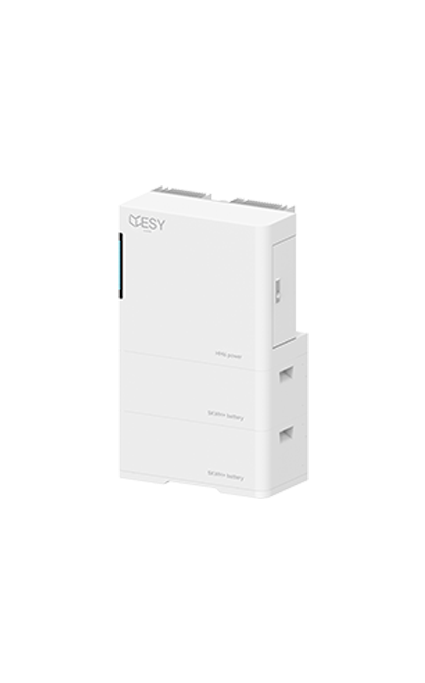
10kW all-in-one ESS products for residential projects are usually compared by inverter output, battery capacity, PV input, backup capability, and expansion design. Most current systems provide 10kW AC output, 8–20kWh storage capacity, 95–98% efficiency, and LFP battery technology with 6,000+ cycle ratings. The preferred option depends on household electricity demand, solar array size, backup duration, and future storage expansion plans.
Residential energy storage systems have changed from simple backup batteries into integrated power management platforms. A 10kW all-in-one ESS combines a hybrid inverter, battery modules, BMS, monitoring software, and protection components in one enclosure. Compared with separate inverter and battery installations, integrated systems reduce installation steps and simplify commissioning. Many residential projects in 2025 are designed around 10kW output because this level can support common household loads, including HVAC equipment, kitchen appliances, pumps, and EV charging.
A 10kW ESS with 15kWh usable storage can provide approximately 5 hours of backup for a home using 3kW average power, considering inverter losses and battery reserve settings.
The inverter section determines how efficiently the system manages solar generation and household electricity. Most residential 10kW hybrid inverters operate above 95% efficiency, with premium models reaching around 97–98% under standard conditions. Many systems support PV oversizing ratios between 120% and 200%, allowing homeowners to install larger solar arrays without replacing the inverter.
| Specification | Common Range |
|---|---|
| Rated AC output | 10kW |
| Battery capacity | 8–20kWh |
| PV input | 12–20kW |
| Battery chemistry | LFP |
| Efficiency | 95–98% |
| Cycle life | 6,000–10,000 cycles |
| Backup switching | Below 20ms in many systems |
Battery configuration creates major differences between residential ESS products. Lithium iron phosphate batteries are widely used because they provide stable operation, strong thermal performance, and long service life. According to many manufacturer specifications published after 2023, LFP residential batteries commonly maintain more than 70% capacity after several thousand cycles when operated under recommended conditions.
Battery size should match household consumption patterns rather than only inverter power. A 10kW inverter paired with a 10kWh battery can supply high output for short periods, while a larger battery provides longer operation during outages. Homes with heat pumps, electric water heaters, and EV charging often require more storage capacity.
| Daily Electricity Use | Suggested Storage Range |
|---|---|
| 10–15kWh/day | 10–15kWh |
| 15–25kWh/day | 15–20kWh |
| 25kWh+/day | 20kWh+ |
Expandable battery design has become common in residential projects. Some systems allow users to begin with a smaller battery pack and increase capacity later. For example, a homeowner may install a 10kWh battery initially and expand toward a 30kWh expandable home battery system when electricity consumption increases because of EV charging, home renovation, or additional appliances.
The PV input capability also affects long-term performance. A 10kW inverter connected with a larger solar array can capture more energy during mornings, evenings, and cloudy weather. In regions with seasonal solar changes, oversizing PV capacity by 150% can increase annual solar utilization compared with a matching 100% PV-to-inverter ratio.
For residential applications, systems such as the 30kWh expandable home battery system are designed to provide larger storage options while maintaining compatibility with household energy management requirements.
Backup performance requires evaluation beyond the rated inverter number. Many household devices have startup power requirements higher than their normal operating power. Refrigerators may require several times their running power during compressor startup, while heat pumps and pumps can create temporary demand increases.
A 10kW ESS should provide sufficient continuous output and surge capability for the expected household loads. Some systems include load management functions that prioritize essential circuits during outages.
| Household Device | Typical Power Range |
|---|---|
| Refrigerator | 100–300W |
| Lighting | 50–500W |
| Heat pump | 1.5–4kW |
| EV charger | 3.6–7.2kW |
| Water pump | 0.5–2kW |
Software features have become an important part of residential ESS selection. Modern systems can connect with smart meters, mobile applications, and energy management platforms. Time-of-use charging allows batteries to charge during lower electricity price periods and supply power during higher-cost periods.
Since 2020, electricity markets in many regions have introduced more flexible pricing models. Residential ESS systems with smart scheduling functions can adjust charging and discharging periods according to household usage patterns, solar production, and grid conditions.
Installation design also affects system selection. An all-in-one ESS reduces the number of separate components that installers need to configure. This can shorten installation time and reduce wiring complexity. However, installers still need to consider enclosure protection, operating temperature range, ventilation requirements, and maintenance access.
Outdoor residential systems are commonly designed with IP65 protection levels and operating ranges around -10°C to 50°C, depending on the manufacturer. In colder areas, battery heating functions help maintain charging performance when temperatures drop below freezing.
Warranty information should be reviewed together with technical specifications. Many residential ESS manufacturers provide 5–10 years product warranties, while battery warranties often include cycle limits and minimum capacity retention requirements.
| Warranty Item | Typical Range |
|---|---|
| Product warranty | 5–10 years |
| Battery cycle rating | 6,000+ cycles |
| Capacity retention | 70–80% |
| Remote monitoring | Available on many models |
A suitable 10kW all-in-one ESS should match the home’s electricity profile, solar capacity, backup requirements, and future expansion plans. A system with flexible battery expansion, strong PV compatibility, reliable inverter performance, and practical software functions can support residential energy needs for many years.
Different homes require different configurations. A small household may prioritize lower installation cost and basic backup, while larger properties with EV charging and electric heating may require higher storage capacity and expandable architecture. Comparing inverter specifications, battery options, protection features, and service support provides a more accurate evaluation than looking only at the 10kW output rating.